New Baltimore, MI · Macomb County
Rapid Structural Drying in New Baltimore, MIWall Cavity Drying & Subfloor Drying
Rapid Structural Drying in New Baltimore includes emergency structural drying, moisture mapping services, and flood drying services.
Answered 24/7
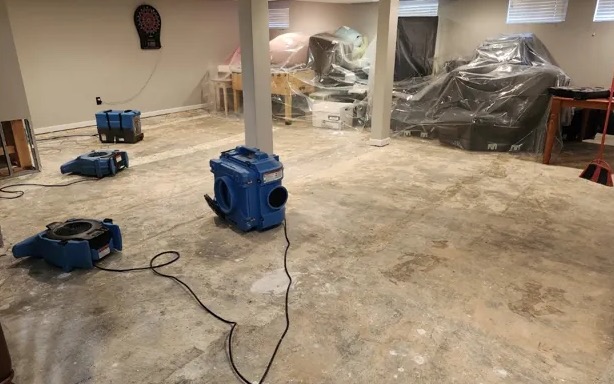
Professional Rapid Structural Drying in New Baltimore, MI
Crawl spaces and concrete slabs present unique drying challenges due to limited airflow and dense materials. Moisture trapped in these areas can migrate upward, affecting floors and walls.
For commercial structural drying in New Baltimore, businesses benefit from rapid intervention to limit downtime and damage. Assistance is available throughout the region, such as in New Haven, Harrison Township and Richmond, with 24/7 availability.
Advanced Rapid Structural Drying Processes
Wall Cavity Drying
Interior walls can absorb significant moisture from leaks or floods. Wall cavity drying involves accessing the space between studs to direct airflow and desiccant dehumidification.
Subfloor Drying
Wet subfloors can warp, swell, and compromise the floor system. Drying removes moisture from plywood or OSB, often requiring lifted flooring sections to allow direct airflow from above and below.
Structural Dehumidification
In a water-damaged building, high humidity is the enemy. Structural dehumidification uses commercial-grade equipment to rapidly lower relative humidity.
Moisture Mapping Services
Effective drying starts with accurate assessment. Moisture mapping services use penetrating and non-penetrating moisture meters to create a detailed picture of affected areas.
Flood Drying Services
Floodwaters affect every porous material they touch. The operation runs 24/7 until the environment is controlled.
When Rapid Structural Drying Is Needed
Water Pooling in Crawl Spaces
Standing water under your home puts floor framing at risk and needs pumping and drying.
High Indoor Humidity Levels
A clammy feeling in the air suggests elevated moisture that structural dehumidification equipment is designed to correct.
Visible Water Stains on Walls
Yellow or brown stains on drywall or ceilings mean water got into the material and may still be inside.
Damp Spots on Concrete Floors
Persistent dampness on a concrete slab can leave white mineral deposits and loosen flooring adhesive.
How Rapid Structural Drying Works in New Baltimore
Step 1: Site Evaluation for Hidden Moisture
The service starts with a thorough evaluation using probes and sensors to locate all hidden moisture within wall cavities, subfloors, and concrete slabs.
Step 2: Deployment of Industrial Drying Systems
Commercial dehumidifiers and air movers are set up to pull water out of dense materials like hardwood and framing.
Step 3: Active Wall and Subfloor Drying Cycle
An active drying cycle begins, with equipment running continuously to evaporate and extract moisture, focusing on wall cavity and subfloor drying.
Step 4: Assurance of Complete Moisture Removal
Before concluding, pros verify complete moisture removal with final checks, ensuring the structure is protected from future mold or rot issues.
How Water Damage Leads to Rapid Structural Drying in New Baltimore
Burst Pipes or Plumbing Failures
A burst pipe can release hundreds of gallons, soaking drywall, subfloors and framing well beyond the room where it broke.
Clogged Gutters and Downspouts
When gutters overflow, water pools against the foundation and can seep into crawl spaces, slabs and lower walls.
Poor Ventilation in Enclosed Spaces
Inadequate airflow in crawl spaces or wall cavities traps moisture, promoting rot and mold that experts must address.
Appliance Malfunctions and Leaks
Faulty water heaters, washing machines, or dishwashers can leak slowly, causing hidden damage in walls and floors over time.
Residential and Commercial Rapid Structural Drying in New Baltimore
Residential Rapid Structural Drying
In homes, rapid structural drying targets moisture trapped in walls, under floors, and in crawl spaces after a leak.
Commercial Rapid Structural Drying
For businesses, commercial structural drying minimizes downtime after water damage. Restoration pros focus on large-scale moisture removal from concrete slabs, interior wall cavities, and office subfloors using high-capacity equipment to get operations back to normal.
Professional Rapid Structural Drying vs. DIY Methods
Wipe down accessible surfaces with towels and increase ventilation by opening windows if weather permits. Avoid using household fans on wet drywall, as they can spread mold spores.
Pricing Considerations for Rapid Structural Drying in New Baltimore
In New Baltimore, the cost of professional structural drying is influenced by the number of rooms affected and the type of materials involved. Drying thick concrete slabs or enclosed wall cavities typically requires more resources.
Extent of Water Damage
The square footage and depth of saturation in materials like drywall and subflooring directly impact the drying time and equipment needed.
Access and Complexity
Difficult-to-reach areas like tight crawl spaces or behind finished walls add labor time to the emergency structural drying process.
Required Drying Equipment
The number and type of industrial air movers, dehumidifiers, and moisture meters deployed for structural moisture removal influence operational costs.
Does Insurance Cover Rapid Structural Drying?
Coverage for rapid structural drying depends on the insurance policy and the cause of loss. The homeowner should submit this documentation to their insurer, as coverage decisions belong solely to the insurer.
Benefits of Professional Rapid Structural Drying
Prevention of Mold Growth
Rapid drying helps control humidity levels, creating an environment less conducive to mold development after water intrusion.
Focus on Structural Integrity
The process prioritizes drying the building structure itself, including wall cavities and subfloors, to protect its stability.
Thorough Process Verification
Drying is monitored until moisture levels in materials meet standard dry criteria before equipment is removed.
Emergency Moisture Removal for New Baltimore
Need fast structural drying services following a major leak? Contact (313) 766-2970 for 24/7 emergency assistance from restoration pros in your area.
Call Now (313) 766-2970Rapid Structural Drying in New Baltimore and Nearby Areas
Structural drying is important for properties throughout Macomb County. From crawl spaces to concrete slabs, the pros help homeowners in New Baltimore and neighboring areas like New Haven, Harrison Township and Richmond.
- Rapid Structural Drying in New Haven
- Rapid Structural Drying in Harrison Township
- Rapid Structural Drying in Richmond
- Rapid Structural Drying in Mount Clemens
- Rapid Structural Drying in Algonac
- Rapid Structural Drying in Macomb
- Rapid Structural Drying in Clinton Township
- Rapid Structural Drying in Armada
- Emergency Damage Restoration in 48047
- Storm Damage Restoration in 48047
- Water Damage Restoration in 48047
- Water Extraction Service in 48047
- Water Leak Detection in 48047
- Water Removal Service in 48047
- Emergency Damage Restoration in 48051
- Storm Damage Restoration in 48051
Common Queries About Structural Drying
What is the goal of commercial structural drying?
The goal of commercial structural drying is to quickly restore a safe, dry environment for business operations by removing moisture from building materials and contents to prevent long-term damage.
What areas of a home need structural moisture removal?
Structural moisture removal often targets concealed areas like behind walls, under floors, within ceiling cavities, and in support beams where water can linger and cause hidden damage.
What is structural dehumidification?
Structural dehumidification uses large-capacity dehumidifiers to lower the overall humidity within a building's structure, aiding the drying of materials and helping to prevent secondary water damage like mold.
Can flood drying services prevent mold?
Prompt flood drying services that quickly remove water and lower humidity can significantly reduce the risk of mold growth, which often begins within 24-48 hours in damp conditions.
Why document the process for insurance?
Detailed documentation of moisture readings, photos, and equipment used provides a clear record for your insurance claim, showing the necessity and scope of the rapid structural drying services performed.