River Rouge, MI · Wayne County
Rapid Structural Drying in River Rouge, MICrawl Space Drying & Flood Drying Services
Rapid Structural Drying in River Rouge includes emergency structural drying, moisture mapping services, and flood drying services.
Answered 24/7
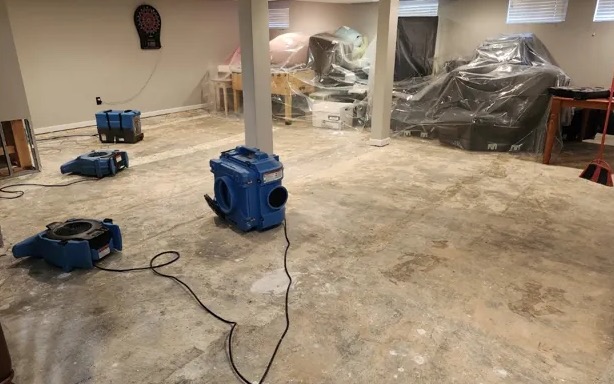
Expert Rapid Structural Drying for River Rouge Properties
Flooding events introduce large volumes of water that soak deep into structural components. Residential structural drying after a flood requires powerful equipment to dry materials from the inside out.
Properties in River Rouge often require rapid structural drying after plumbing failures or weather-related water intrusion. Services extend to nearby places like Ecorse, Melvindale and Lincoln Park for comprehensive coverage.
Comprehensive Rapid Structural Drying Solutions
Crawl Space Drying
Damp crawl spaces promote wood rot, mold, and musty odors. Drying addresses standing water and high humidity with extraction, ventilation, and industrial dehumidification to create a dry, stable environment.
Flood Drying Services
After a flood event, drying must be rapid and extensive. The approach is systematic, moving from room to room to stabilize the entire affected area.
Subfloor Drying
In many water damage situations, the subfloor is critically affected. Subfloor drying prevents costly replacement by using specialized equipment like LGR dehumidifiers and directed airflow.
Concrete Slab Drying
Drying a concrete foundation slab is a slow, methodical task. It requires creating a dry air environment above the slab to encourage moisture evaporation from its surface.
Structural Dehumidification
In a water-damaged building, high humidity is the enemy. Structural dehumidification uses commercial-grade equipment to rapidly lower relative humidity.
Indications for Rapid Structural Drying
High Indoor Humidity Levels
A clammy feeling in the air suggests elevated moisture that structural dehumidification equipment is designed to correct.
Visible Water Stains on Walls
Yellow or brown stains on drywall or ceilings mean water got into the material and may still be inside.
Warped or Bubbling Floorboards
Hardwood floors that buckle or cup have taken on moisture from below, usually from a wet subfloor.
Soggy or Spongy Drywall
Drywall that feels soft to the touch has absorbed a lot of water and needs drying right away.
How Rapid Structural Drying Works in River Rouge
Step 1: Emergency Assessment and Moisture Mapping
Local restoration pros first perform a detailed inspection using moisture meters and thermal imaging to create a precise moisture map of all affected structural areas.
Step 2: Strategic Flood Drying Setup
Based on the moisture map, air movers and dehumidifiers are placed where they dry the wet materials fastest.
Step 3: Targeted Cavity and Subfloor Drying
Hidden moisture in walls and subfloors is dried with injection systems or drying mats, without tearing out the finishes.
Step 4: Verification and Structural Dehumidification
Pros check moisture levels with meters and adjust equipment until all materials meet dry targets.
How Water Damage Leads to Rapid Structural Drying in River Rouge
Clogged Gutters and Downspouts
When gutters overflow, water pools against the foundation and can seep into crawl spaces, slabs and lower walls.
Appliance Malfunctions and Leaks
Faulty water heaters, washing machines, or dishwashers can leak slowly, causing hidden damage in walls and floors over time.
HVAC System Condensation Issues
Clogged drain lines or faulty condensate pumps from air handlers can cause significant water damage inside walls and ceilings.
Foundation Cracks and Water Seepage
Cracks in a foundation or basement wall permit groundwater intrusion, which can saturate concrete slabs and framing.
Both Home and Business Rapid Structural Drying
Residential Rapid Structural Drying
In homes, rapid structural drying targets moisture trapped in walls, under floors, and in crawl spaces after a leak.
Commercial Rapid Structural Drying
For businesses, commercial structural drying minimizes downtime after water damage. The pros focus on large-scale moisture removal from concrete slabs, interior wall cavities, and office subfloors using high-capacity equipment to get operations back to normal.
When DIY Methods Are Not Enough for Rapid Structural Drying
You can use a wet-dry vacuum to remove standing water from hard surface floors. Be sure to document the damage with photos for your insurance claim.
Pricing Considerations for Rapid Structural Drying in River Rouge
Several factors determine rapid structural drying cost for a home in River Rouge. The primary considerations are the square footage affected and the complexity of accessing wet structural components like crawl spaces or concrete slabs.
Water Contamination Category
Clean water from a broken pipe is simpler to address than contaminated flood water, which requires more extensive safety and drying protocols.
Required Drying Equipment
The number and type of industrial air movers, dehumidifiers, and moisture meters deployed for structural moisture removal influence operational costs.
Extent of Water Damage
The square footage and depth of saturation in materials like drywall and subflooring directly impact the drying time and equipment needed.
Does Insurance Cover Rapid Structural Drying?
Whether residential structural drying is covered depends on your insurer's interpretation of the cause. You are responsible for filing the claim and discussing coverage specifics with your insurance agent.
Why Choose Local Restoration Pros for Rapid Structural Drying in River Rouge
Prevention of Mold Growth
Rapid drying helps control humidity levels, creating an environment less conducive to mold development after water intrusion.
Targeted Drying Strategies
Drying plans are adjusted for subfloors and enclosed spaces that need targeted dehumidification.
24/7 Emergency Response
Help is available day or night to begin the rapid structural drying process and limit further damage.
24/7 Emergency Rapid Structural Drying in River Rouge
Need fast structural drying services following a major leak? Contact (313) 766-2970 for 24/7 emergency assistance from the pros in your area.
Call Now (313) 766-2970Rapid Structural Drying for River Rouge, Ecorse, Melvindale and Lincoln Park
Structural drying is important for properties throughout Wayne County. From crawl spaces to concrete slabs, the pros help homeowners in River Rouge and neighboring areas like Ecorse, Melvindale and Lincoln Park.
- Rapid Structural Drying in Ecorse
- Rapid Structural Drying in Melvindale
- Rapid Structural Drying in Lincoln Park
- Rapid Structural Drying in Allen Park
- Rapid Structural Drying in Dearborn
- Rapid Structural Drying in Wyandotte
- Rapid Structural Drying in Southgate
- Rapid Structural Drying in Garden City
- Emergency Damage Restoration in 48218
- Storm Damage Restoration in 48218
- Water Damage Restoration in 48218
- Water Extraction Service in 48218
- Water Leak Detection in 48218
- Water Removal Service in 48218
Frequently Asked Rapid Structural Drying Questions
What is rapid structural drying?
Rapid structural drying is a focused water mitigation process using industrial equipment to quickly remove moisture from building materials like walls, floors, and substructures to prevent further damage.
How do pros know when structural drying is complete?
The pros use moisture meters to compare readings in affected materials to known dry standards in unaffected areas, ensuring moisture levels are acceptable before concluding the job.
Why document the process for insurance?
Detailed documentation of moisture readings, photos, and equipment used provides a clear record for your insurance claim, showing the necessity and scope of the rapid structural drying services performed.
Why is quick action critical for structural drying?
Quick action limits the extent of water absorption into materials, reduces the drying time required, and helps minimize the potential for costly repairs related to structural decay or mold.
When is crawl space drying necessary?
Crawl space drying is necessary when flooding or high humidity saturates this enclosed area, as trapped moisture can damage foundation piers, joists, and lead to mold growth throughout the home.