Wyandotte, MI · Wayne County
Rapid Structural Drying in Wyandotte, MIFlood Drying Services & Moisture Mapping Services
Rapid Structural Drying in Wyandotte involves emergency structural drying, wall cavity drying, and flood drying services from restoration pros.
Answered 24/7
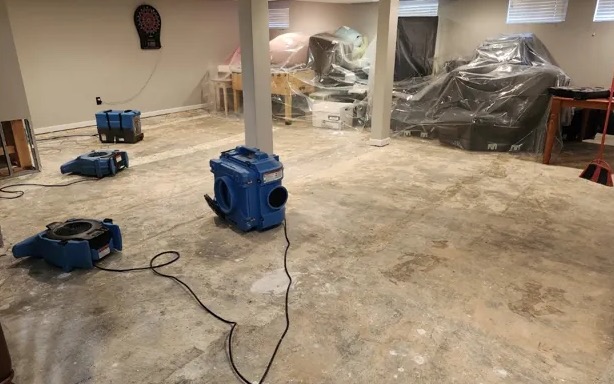
Local Rapid Structural Drying for Wyandotte Homes and Businesses
Flooding events introduce large volumes of water that soak deep into structural components. Residential structural drying after a flood requires powerful equipment to dry materials from the inside out.
Fast structural drying is essential for homes throughout Wyandotte. Local water damage pros provide subfloor drying and crawl space drying to protect foundational elements. Services reach neighboring areas including Riverview, Southgate and Ecorse for broader support.
Tailored Rapid Structural Drying for Wyandotte
Flood Drying Services
Widespread flooding presents a unique drying challenge. Services for this scenario involve creating drying chambers and managing airflows across large spaces.
Moisture Mapping Services
Effective drying starts with accurate assessment. Moisture mapping services use penetrating and non-penetrating moisture meters to create a detailed picture of affected areas.
Wall Cavity Drying
Interior walls can absorb significant moisture from leaks or floods. Wall cavity drying involves accessing the space between studs to direct airflow and desiccant dehumidification.
Subfloor Drying
Wet subfloors can warp, swell, and compromise the floor system. Drying removes moisture from plywood or OSB, often requiring lifted flooring sections to allow direct airflow from above and below.
Emergency Structural Drying
Drying starts with a quick assessment and equipment placement, so moisture is pulled from walls, floors and framing before the damage spreads.
Warning Signs You Need Rapid Structural Drying
Water Pooling in Crawl Spaces
Standing water under your home puts floor framing at risk and needs pumping and drying.
Squeaking or Soft Floor Areas
Unusual noises or soft spots when walking indicate compromised subflooring from water damage that needs assessment.
Warped or Bubbling Floorboards
Hardwood floors that buckle or cup have taken on moisture from below, usually from a wet subfloor.
Recent Plumbing Leak or Flood
Any recent leak or flood can leave water inside walls and floors even after surfaces look dry.
How Rapid Structural Drying Works in Wyandotte
Step 1: Emergency Response and Moisture Detection
The pros use meters and thermal cameras to find all wet areas and decide which to dry first.
Step 2: Setup of Airflow and Dehumidification
A balanced system of airflow and structural dehumidification is established to pull moisture from materials and condense it out of the air.
Step 3: Specialized Drying for Concrete and Cavities
Specialized techniques like concrete slab drying and forced cavity drying are applied to address moisture trapped in the most challenging structural components.
Step 4: Final Structural Integrity Confirmation
Final moisture readings are recorded for each area to confirm the structure is dry before repairs begin.
Events That Lead to Rapid Structural Drying
Overflowing Sinks or Bathtubs
A bathroom overflow can send water under flooring and into wall cavities, where it stays hidden.
Foundation Cracks and Water Seepage
Cracks in a foundation or basement wall permit groundwater intrusion, which can saturate concrete slabs and framing.
Poor Ventilation in Enclosed Spaces
Inadequate airflow in crawl spaces or wall cavities traps moisture, promoting rot and mold that experts must address.
Landscaping or Grading Problems
Improper yard slope can direct water toward a foundation, leading to persistent dampness in slabs and crawl spaces.
Rapid Structural Drying for Homes and Businesses
Residential Rapid Structural Drying
Homeowners face risks from hidden moisture in attics and crawl spaces. Emergency structural drying services use air scrubbers and focused drying to safeguard indoor air quality and the home's structural integrity from slow leaks.
Commercial Rapid Structural Drying
Warehouses and industrial facilities need large-scale drying for wide concrete floors. Professionals employ drying strategies and moisture mapping to prevent corrosion of inventory and structural components.
Professional Rapid Structural Drying vs. DIY Methods
Wipe down accessible surfaces with towels and increase ventilation by opening windows if weather permits. Avoid using household fans on wet drywall, as they can spread mold spores.
Factors Affecting Rapid Structural Drying Pricing
Several factors determine rapid structural drying cost for a home in Wyandotte. The primary considerations are the square footage affected and the complexity of accessing wet structural components like crawl spaces or concrete slabs.
Extent of Water Damage
The square footage and depth of saturation in materials like drywall and subflooring directly impact the drying time and equipment needed.
Moisture Mapping Scope
Detailed moisture mapping services to track drying progress across a structure require additional time and diagnostic tools from the pros.
Affected Structural Materials
Drying dense materials like concrete slabs or enclosed wall cavities demands specialized techniques and longer durations than drying open areas.
Does Insurance Cover Rapid Structural Drying?
Coverage for rapid structural drying depends on the insurance policy and the cause of loss. The homeowner should submit this documentation to their insurer, as coverage decisions belong solely to the insurer.
Benefits of Professional Rapid Structural Drying
Detailed Documentation for Claims
Comprehensive logs of moisture readings and photos are taken to document the damage for insurance purposes.
Focus on Structural Integrity
The process prioritizes drying the building structure itself, including wall cavities and subfloors, to protect its stability.
Advanced Moisture Detection
Tools like thermal imagers and moisture meters are used for accurate moisture mapping to find hidden water.
Emergency Structural Drying Response
The first 24 to 48 hours after a leak matter most for drying. If you have standing water or soaked walls, call (313) 766-2970 to start drying.
Call Now (313) 766-2970Rapid Structural Drying Near Wyandotte: Areas Served
Across Wyandotte and nearby communities, the pros map moisture and dry structures for homes and businesses in Wyandotte, Riverview, Southgate and Ecorse.
- Rapid Structural Drying in Riverview
- Rapid Structural Drying in Southgate
- Rapid Structural Drying in Ecorse
- Rapid Structural Drying in Lincoln Park
- Rapid Structural Drying in Grosse Ile
- Rapid Structural Drying in Allen Park
- Rapid Structural Drying in River Rouge
- Rapid Structural Drying in Melvindale
- Emergency Damage Restoration in 48192
- Storm Damage Restoration in 48192
- Water Damage Restoration in 48192
- Water Extraction Service in 48192
- Water Leak Detection in 48192
- Water Removal Service in 48192
Rapid Structural Drying FAQs
What happens if wall cavity drying is delayed?
Delayed wall cavity drying allows moisture to promote mold growth inside walls, degrade insulation, and potentially weaken drywall or wooden studs, leading to more extensive and invasive repairs.
What areas of a home need structural moisture removal?
Structural moisture removal often targets concealed areas like behind walls, under floors, within ceiling cavities, and in support beams where water can linger and cause hidden damage.
What is involved in subfloor drying?
Subfloor drying involves using specialized air movers and dehumidifiers to draw moisture out of the wooden or concrete layer beneath flooring, often requiring access panels or strategic placement of equipment.
Is rapid structural drying needed for clean water leaks?
Yes, even clean water from a broken pipe requires rapid structural drying to prevent absorption into porous materials, which can lead to swelling, warping, and potential mold.
What is structural dehumidification?
Structural dehumidification uses large-capacity dehumidifiers to lower the overall humidity within a building's structure, aiding the drying of materials and helping to prevent secondary water damage like mold.