Dearborn, MI · Wayne County
Basement Water Damage Restoration in Dearborn, MIBasement Sewer Backup Cleanup & Basement Water Extraction
Get basement water damage restoration in Dearborn for basement floor water removal, basement mold prevention and basement drying services.
Answered 24/7
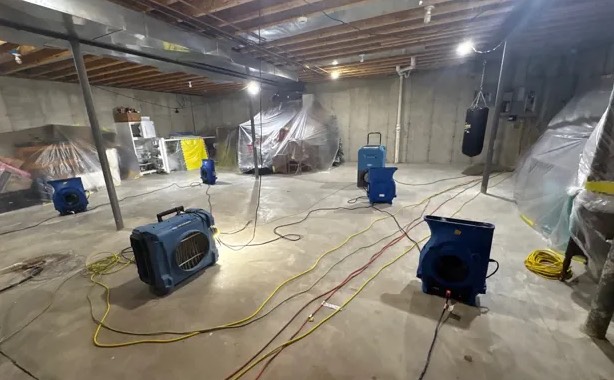
Basement Water Damage Restoration Solutions in Dearborn, Michigan
Basements collect water from every direction: rain seeping through walls, groundwater pushing up through the slab, sewage backing up through floor drains and pipes bursting overhead. In a Dearborn home with a basement or below-grade room, any of these can leave inches of water on the floor.
A finished basement or lower level in Dearborn or Melvindale, River Rouge and Allen Park can hide old moisture behind drywall and flooring. The pros find the water and dry the space before more damage sets in.
Basement Water Damage Restoration Solutions Available in Dearborn
Basement Sewer Backup Cleanup
Sewage that backs up through a floor drain or toilet is extracted with protective gear, and the area is contained from the rest of the house.
Basement Water Extraction
Extraction starts at the lowest point, often near the floor drain or sump, and works outward until no pooled water remains.
Basement Mold Prevention
After drying, an antimicrobial can be applied to framing and concrete that were wet, to slow mold on surfaces that stay in place.
Basement Floor Water Removal
Water on a concrete floor is squeegeed and extracted, and floor coverings such as carpet, vinyl or laminate are lifted to dry the slab.
Basement Wall Drying
Finished basement walls hide wet insulation and framing. Removing the bottom of the drywall lets air reach the cavity.
Indicators for Basement Water Damage Restoration in Dearborn
Peeling Paint or Wallpaper
Paint that peels or blisters on basement walls often has moisture behind it.
Warped or Buckling Basement Floors
Laminate, wood or vinyl flooring that buckles or lifts in the basement has water underneath.
Standing Water in the Basement
Any standing water on the basement floor needs pumping right away, before it soaks walls and framing.
Sump Pump Failure or Overflow
A sump pump that runs constantly, fails to start or lets the pit overflow puts the basement at risk.
How Basement Water Damage Restoration Works in Dearborn
Step 1: Floodwater Pump-Out
Submersible pumps remove deep water, and electrical hazards are checked before anyone walks in it.
Step 2: Deep Moisture Extraction
Extractors pull water from carpet, pad and the concrete floor after the deep water is gone.
Step 3: Air Circulation and Drying
Air movers keep dry air moving across walls and floors throughout the basement.
Step 4: Dehumidification and Verification
Dehumidifiers run until humidity and material readings confirm the basement is dry.
Typical Sources of Basement Water Damage in Dearborn
HVAC Condensate Line Overflow
A clogged furnace or air conditioner condensate line can overflow onto the floor of a basement or lower-level utility room.
Plumbing Pipe Bursts or Leaks
Supply lines and drain pipes in basement ceilings can crack or burst onto the floor below.
Stormwater Runoff Into Lower Levels
Heavy rain running off hard ground or a sloped yard can pour down stairwells and under doors into below-grade rooms.
Sump Pump Mechanical Failure
A sump pump that fails, loses power or is too small lets groundwater rise into the basement.
Basement Water Damage Restoration for Homes and Businesses in Dearborn
Residential Basement Water Damage Restoration
Homeowners with older basements may have seepage that returns with each storm. Drying fixes the current damage, and the source is noted for a waterproofing contractor.
Commercial Basement Water Damage Restoration
Apartment and condo buildings with shared basements or lower levels may have laundry and storage below grade. Each area is extracted, dried and recorded for the building manager.
When to DIY and When to Call the Pros for Basement Water Damage Restoration
Fans alone can push damp air into the rest of the house. Basement drying needs dehumidifiers to pull the moisture out of the air and the concrete.
Cost Considerations for Basement Water Damage Restoration in Dearborn
In Dearborn, basement jobs often run longer than upper-floor jobs because concrete dries slowly. Equipment days make up much of the bill.
Drying Time Required
Basements dry slowly, and longer drying means more equipment days and monitoring visits.
Material Saturation
Finished basements with carpet, drywall and insulation take more removal work than bare concrete.
Access Complexity
Narrow stairs, low ceilings and stored contents can make the work slower.
Does Insurance Cover Basement Water Damage Restoration?
Flood damage from rising outside water usually needs flood insurance. Water from inside the home, like a broken pipe, is more often covered.
Why Choose Local Pros for Basement Water Damage Restoration in Dearborn
Industry Drying Standards
Drying follows industry water damage standards, with readings taken at every visit.
24/7 Emergency Response
Help is available day or night when water is rising in the basement.
Water Extraction First
Water is removed from floors, carpet and pad before drying starts, which shortens drying time.
Emergency Basement Water Damage Restoration Available in Dearborn
Water rising in your basement in Dearborn? Shut off power to the basement if it is safe, move what you can and call (313) 766-2970. Help is available 24/7.
Call Now (313) 766-2970Regions Served for Basement Water Damage Restoration Near Dearborn
Help with basement water damage restoration is also available in communities near Dearborn, including Melvindale, River Rouge and Allen Park, for flooded basements and sewer backups.
- Basement Water Damage Restoration in Melvindale
- Basement Water Damage Restoration in River Rouge
- Basement Water Damage Restoration in Allen Park
- Basement Water Damage Restoration in Lincoln Park
- Basement Water Damage Restoration in Dearborn Heights
- Basement Water Damage Restoration in Garden City
- Basement Water Damage Restoration in Ecorse
- Basement Water Damage Restoration in Taylor
- Emergency Damage Restoration in 48120
- Storm Damage Restoration in 48120
- Water Damage Restoration in 48120
- Water Extraction Service in 48120
- Water Leak Detection in 48120
- Water Removal Service in 48120
- Emergency Damage Restoration in 48121
- Storm Damage Restoration in 48121
Your Basement Water Damage Restoration Questions Addressed
Why is dehumidification so important after basement water removal?
Basements hold moisture in the air and concrete. Without dehumidifiers, walls and framing stay damp long after the water is gone.
What causes the most common below-grade leaks in homes?
Sump pump failures, foundation cracks, clogged drain tile, sewer backups and burst pipes in the basement ceiling.
What is the purpose of basement wall drying?
To remove water from drywall, insulation, framing and concrete so the walls can be repaired without trapping moisture.
How is basement restoration documented for insurance?
With photos of the water level and damage, moisture readings, a list of removed materials and daily drying logs.
How long does below-grade drying take after a flood?
Often several days or longer, since concrete and cool basement air dry slowly. Daily readings show progress.