Dearborn, MI · Wayne County
High-Velocity Air Mover Drying in Dearborn, MICarpet Drying With Air Movers & Wall Cavity Drying
High-Velocity Air Mover Drying in Dearborn includes wall cavity drying, hardwood floor drying and basement water drying.
Answered 24/7
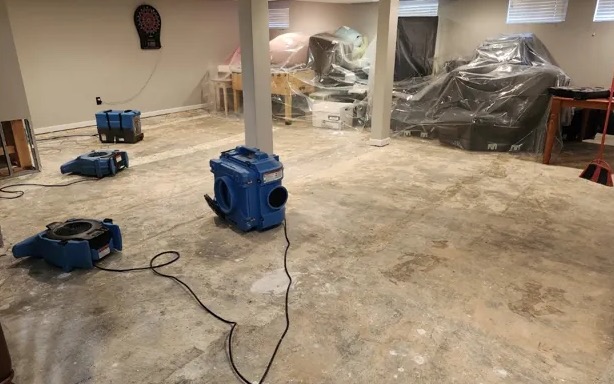
Professional High-Velocity Air Mover Drying in Dearborn, MI
In Dearborn, the goal of high-velocity air mover drying is to get a home or business dry and safe after a plumbing failure or storm leak, so people can use the space again sooner.
In Dearborn and nearby locales like Melvindale, River Rouge and Allen Park, high-velocity air mover drying is a targeted way to reach specific drying goals. After extraction, air movers are set to create cross-flow over wet floors and walls. Dehumidifiers then pull the evaporated water out of the air.
Tailored High-Velocity Air Mover Drying for Dearborn Properties
Carpet Drying With Air Movers
Drying the top of the carpet is not enough. Air moving under the carpet dries the backing and pad so they do not smell or come apart later.
Wall Cavity Drying
Wet wall interiors can compromise a home's framework. The air mover drying method forces dry air into confined spaces between studs.
Hardwood Floor Drying
For wet hardwood floors in Dearborn, time-sensitive drying is critical. High-velocity air movers are arranged to dry the floor surface and the space beneath it simultaneously.
Post-Extraction Structural Drying
After extraction, wood, drywall and insulation are still wet. Air movers start the drying of those materials.
Commercial Building Air Mover Drying
In commercial spaces, air movers are placed along stockrooms and main halls so drying covers every wet area with little disruption.
When to Call for High-Velocity Air Mover Drying in Dearborn
Visible Warping or Buckling Floors
Warped or buckled wood floors or baseboards mean moisture is trapped in the wood or the subfloor beneath.
Peeling Paint or Wallpaper
Bubbling or peeling paint or wallpaper means moisture is trapped behind the surface, inside the wall cavity.
Cold, Damp Feeling in Basement
A basement that always feels cold and damp may still be holding water in the floor and walls.
Swollen Wooden Doors or Cabinets
Doors or cabinets that stick or swell are often reacting to moisture in the room.
How High-Velocity Air Mover Drying Works in Dearborn
Step 1: Emergency Water Removal
Bulk water is extracted first so the materials spend less time soaking it up.
Step 2: Application of Drying Technology
Air movers then put steady, directed airflow on all of the wet surfaces.
Step 3: Humidity and Temperature Management
Temperature and humidity are managed so drying stays on track and condensation does not form.
Step 4: Validation of Structural Dryness
A final check confirms the structure is dry in homes and commercial buildings alike.
Common Causes Requiring High-Velocity Air Mover Drying in Dearborn
Improper Grading and Poor Drainage
Ground that slopes toward the foundation sends rain at the walls and keeps them damp.
Plumbing Leaks and Pipe Bursts
A sudden pipe failure or slow leak from supply lines, drains, or appliances can flood areas quickly.
Foundation Cracks and Seepage
Cracks in a foundation wall can let groundwater seep into the basement over and over.
Roof Leaks From Storm Damage
Wind-driven rain, missing shingles or damaged flashing can let water into attics and walls.
Residential and Commercial High-Velocity Air Mover Drying in Dearborn
Residential High-Velocity Air Mover Drying
Carpet and hardwood floors are the most common things to dry in homes. Local drying specialists aim air movers at fibers and planks to pull water out before boards warp or shrink.
Commercial High-Velocity Air Mover Drying
Restaurants, schools and hospitals need sanitary, rapid drying. Readings are taken until every area is back to normal so the space can reopen.
When to Choose Local Pros for High-Velocity Air Mover Drying
After removing surface water, you can dehumidify the space with a residential dehumidifier to help reduce ambient humidity. This can aid in preventing condensation on cool surfaces. Ensure the unit is sized appropriately for the space.
Understanding High-Velocity Air Mover Drying Cost in Dearborn
For basements or wall cavities, cost depends on how many air movers are used, whether dehumidifiers are added, and how long everything runs.
Post-Drying Verification
Final moisture checks to confirm everything is dry are part of the cost.
Equipment Quantity and Type
The number and size of air movers needed grows with the size of the wet area.
Ancillary Dehumidification Need
Dehumidifiers are usually needed alongside air movers, adding equipment to the setup.
Does Insurance Cover High-Velocity Air Mover Drying?
Coverage for high-velocity air mover drying depends on the cause of loss and the specific policy. The decision to cover this water damage drying process rests with the insurance adjuster; homeowners should confirm applicability directly.
Benefits of Local Pros for High-Velocity Air Mover Drying
Comprehensive Damage Documentation
Logs and photos of moisture levels support your insurance claim for the drying.
IICRC-Standard Drying Methods
Drying to set targets, confirmed with meters, keeps moisture from causing swelling or decay later.
Objective Drying Verification
The job is not finished until moisture meters show every wet material is dry.
24/7 High-Velocity Air Mover Drying Available in Dearborn
For flood drying with commercial air movers, call (313) 766-2970 day or night. Starting in the first hours after water gets in limits damage to the structure and belongings.
Call Now (313) 766-2970High-Velocity Air Mover Drying Coverage Around Dearborn, MI
Air mover drying after a leak or flood is available in Dearborn and nearby Melvindale, River Rouge and Allen Park.
- High-Velocity Air Mover Drying in Melvindale
- High-Velocity Air Mover Drying in River Rouge
- High-Velocity Air Mover Drying in Allen Park
- High-Velocity Air Mover Drying in Lincoln Park
- High-Velocity Air Mover Drying in Dearborn Heights
- High-Velocity Air Mover Drying in Garden City
- High-Velocity Air Mover Drying in Ecorse
- High-Velocity Air Mover Drying in Taylor
- Emergency Damage Restoration in 48120
- Storm Damage Restoration in 48120
- Water Damage Restoration in 48120
- Water Extraction Service in 48120
- Water Leak Detection in 48120
- Water Removal Service in 48120
- Emergency Damage Restoration in 48121
- Storm Damage Restoration in 48121
Common High-Velocity Air Mover Drying Questions Answered
How does air mover drying differ from fans?
Commercial air movers push a focused stream of air much stronger than a box fan, made for drying building materials.
What indicates that drying is complete?
Moisture meters test the materials and compare them with dry areas nearby, which shows when drying is done.
What are the risks of inadequate drying?
Hidden moisture left behind can cause mold, wood rot, crumbling drywall and odors, which lead to costly repairs.
Why use air movers for hardwood floor drying?
Gentle, directed airflow across the boards helps draw water out of the wood to limit cupping and swelling.
What is involved in wall cavity drying?
Pros use air movers directed at wall surfaces and often create strategic ventilation to dry moisture trapped inside walls.