Taylor, MI · Wayne County
HVAC Leak Water Removal in Taylor, MIWet Insulation Removal Near HVAC & Ductwork Condensation Water Removal
HVAC Leak Water Removal in Taylor covers AC condensate leak water removal, HVAC cabinet water extraction and ductwork condensation water removal.
Answered 24/7
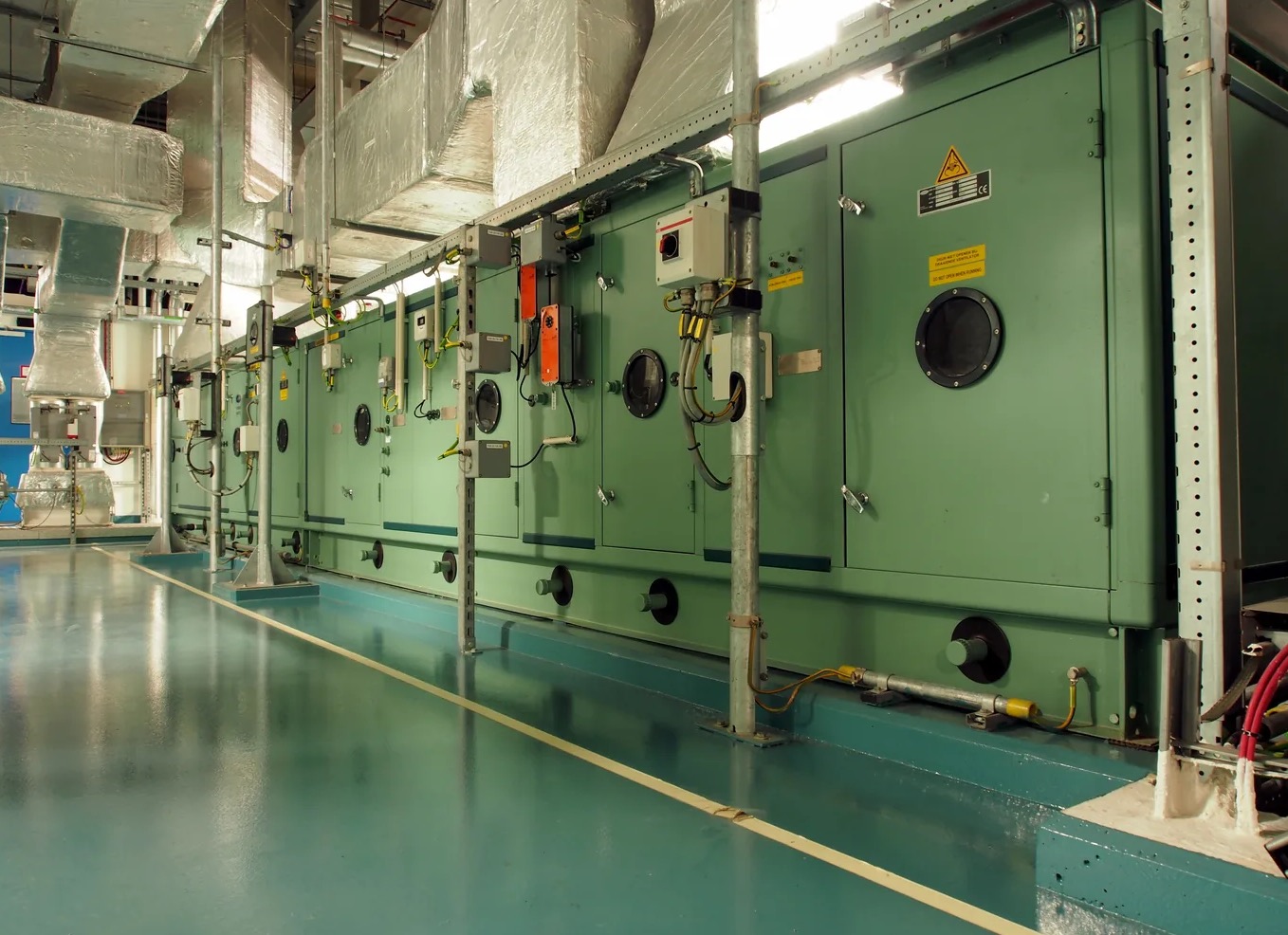
Local HVAC Leak Water Removal for Taylor, Michigan
A leaking coil in Taylor creates two jobs. An HVAC contractor repairs the coil, and the water that already escaped has to be removed and dried.
When an HVAC leak occurs in Taylor, water needs to come out quickly to protect interior finishes and electrical systems. Local water removal pros serve this community and nearby areas like Allen Park, Southgate and Inkster, extracting water around the unit and drying wet ductwork before damage spreads.
HVAC Leak Water Removal Services in Taylor
Wet Insulation Removal Near HVAC
Saturated insulation near the HVAC unit loses R-value and can foster mold. Removal is often necessary for a proper dry-out.
Ductwork Condensation Water Removal
Cold air inside ducts meeting warm, humid air causes sweating and droplets. Condensation soaks insulation and damages ceiling materials.
HVAC Drain Line Flood Cleanup
A broken drain line can flood a mechanical room or closet. The water is contained and extracted before it reaches flooring and equipment nearby.
HVAC Cabinet Water Extraction
Standing water in the cabinet rusts the pan, panels and fasteners. Getting it out early stops that, and the cabinet is dried before the system runs again.
Coil Leak Water Damage Repair
A leaking evaporator or condenser coil drips water into the system or onto the floor. Repair begins with extracting all moisture.
Indicators for HVAC Leak Water Removal in Taylor Homes
Water Puddles Under HVAC Unit
Standing water or persistent dampness around the air handler or furnace cabinet often signals an active HVAC leak.
Musty Odors Near Air Vents
A musty smell when the system runs can point to wet insulation or mold inside the unit or ducts.
High Indoor Humidity Levels
A home feeling persistently muggy can mean the HVAC system is not properly removing airborne moisture.
AC Drain Line Overflowing
Water spilling from the condensate drain line or its overflow port means the drain is blocked and needs attention now.
How HVAC Leak Water Removal Works in Taylor
Step 1: 24/7 Emergency Leak Response
Restoration pros make the area safe, find where the leak started and start removing water.
Step 2: Condensation Leak Repair Focus
The cause, such as a clogged drain line or failed pump, is identified so it can be fixed and the leak does not return.
Step 3: Comprehensive Moisture Remediation
All wet materials are dried, including the hard-to-reach spaces inside walls and ceiling cavities.
Step 4: System Restoration and Testing
Readings confirm the area is dry, and the system can be restarted once the HVAC repair is done.
Common Causes of HVAC Water Leaks in Taylor
Obstructed Air Filter or Ducts
Badly restricted airflow lets frost build on the cold coil, and the water floods the pan when it melts.
Refrigerant Leak at the Coil
A pinhole leak in the evaporator coil itself can allow refrigerant and moisture to escape simultaneously.
Excessive Ductwork Condensation
Poorly insulated ducts in humid spaces sweat and drip water into walls, ceilings and insulation.
Improper HVAC System Slope
An air handler or drain line installed without correct pitch prevents gravity-driven water flow to the drain.
HVAC Leak Water Removal for All Properties in Taylor
Residential HVAC Leak Water Removal
In homes, an HVAC leak usually wets the ceiling under an attic unit or the walls and floor around the air handler closet. Wet insulation near the unit is removed so it does not hold water.
Commercial HVAC Leak Water Removal
In stores, offices and warehouses, leaks come from large air handlers, VAV boxes and ducts above the ceiling. The water is removed fast so the space can reopen.
When DIY Fails for HVAC Leak Water Removal in Taylor
For minor, isolated wet spots on drywall, you can dry the area with fans and dehumidifiers. Puncture small holes at the base for cavity drying. If the leak is ongoing, the stain large, or drywall sagging, professional intervention is critical.
Understanding HVAC Leak Water Removal Costs in Taylor
Calls at night or on weekends can change the rate for HVAC leak water removal. Dirty water from a drain line also adds cleaning steps to the job.
Emergency Service Timing
HVAC leak cleanup started at night, on weekends or on holidays may be billed at a different rate.
Leak Source and Severity
Whether the leak came from a drain line, the coil or the pan changes how much water there is and where it went.
Extent of Water Spread
Water from a leaking AC can travel along ducts and inside walls, which makes the drying area larger.
Does Insurance Cover HVAC Leak Water Removal?
AC unit water damage coverage hinges on the leak source. Sudden failures like a burst drain line may be covered, while gradual neglect often is not. Homeowners should confirm specifics with their insurer.
Reasons to Hire Local Pros for HVAC Leak Water Removal in Taylor
HVAC-Specific Moisture Detection
Moisture meters and thermal cameras find water in ducts, insulation and cabinets that you cannot see.
24/7 Emergency Response
Getting to a leaking AC early limits how far water spreads and how much it rusts parts in the unit.
Structured Dehumidification Strategy
Air movers and dehumidifiers are placed to dry the cabinet area and nearby walls without blowing water further.
Emergency HVAC Leak Water Removal for Taylor Properties
Time is critical when dealing with wet ductwork from a coil leak. To initiate emergency HVAC water extraction and drying, call the pros at (313) 766-2970.
Call Now (313) 766-2970HVAC Leak Water Removal Near Taylor: Areas Served
Help with HVAC leak cleanup and AC water damage covers Taylor and nearby Allen Park, Southgate and Inkster, for houses, apartments and offices.
- HVAC Leak Water Removal in Allen Park
- HVAC Leak Water Removal in Southgate
- HVAC Leak Water Removal in Inkster
- HVAC Leak Water Removal in Lincoln Park
- HVAC Leak Water Removal in Melvindale
- HVAC Leak Water Removal in Garden City
- HVAC Leak Water Removal in Riverview
- HVAC Leak Water Removal in Dearborn Heights
- Emergency Damage Restoration in 48180
- Storm Damage Restoration in 48180
- Water Damage Restoration in 48180
- Water Extraction Service in 48180
- Water Leak Detection in 48180
- Water Removal Service in 48180
Frequently Asked Questions About HVAC Leak Water Removal
Does HVAC leak water removal prevent mold?
Fast extraction and drying lower the risk a lot. Materials that stay wet longer than a day or two can start to grow mold.
How long does wet ductwork drying typically take?
It depends on how much water there is and how easy it is to reach. Most jobs take two to four days of drying with commercial equipment.
What's the difference between water extraction and drying?
Extraction removes the liquid water. Drying uses dehumidifiers and air movers to pull out the moisture left in insulation, drywall and wood.
How quickly should I address AC unit water damage?
As soon as you see it. Water can reach wiring and soak drywall and insulation, and mold can start within a day or two in wet materials.
Is emergency HVAC leak cleanup necessary?
It is when water is spreading. Removing it early keeps it from reaching walls, ceilings and the rooms nearby, which keeps the damage smaller.